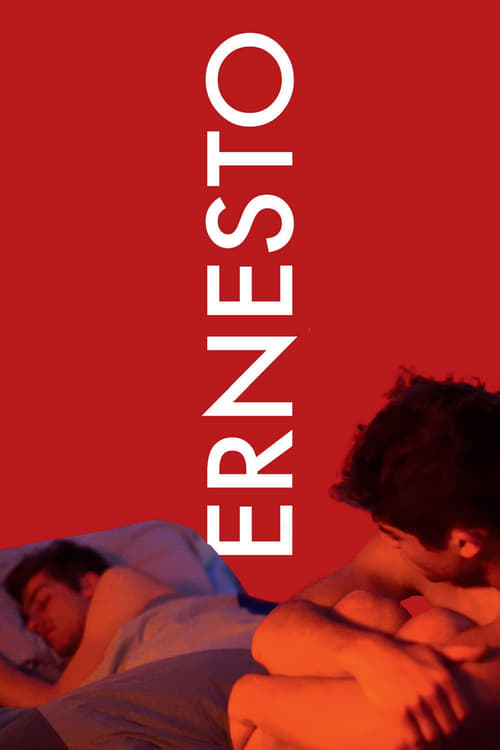
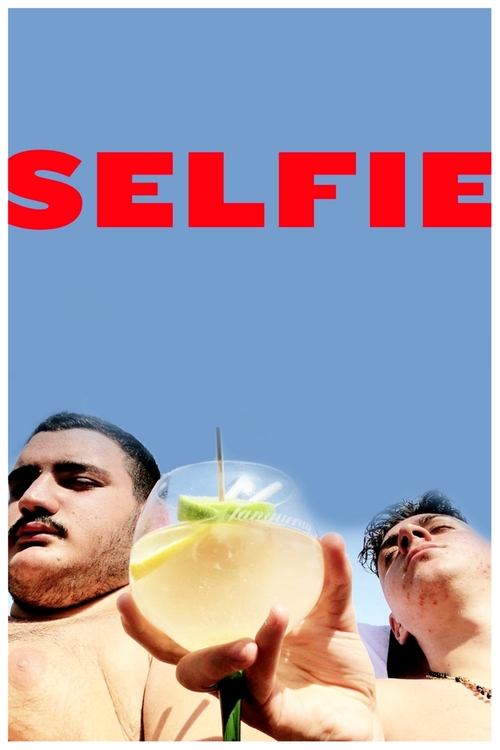
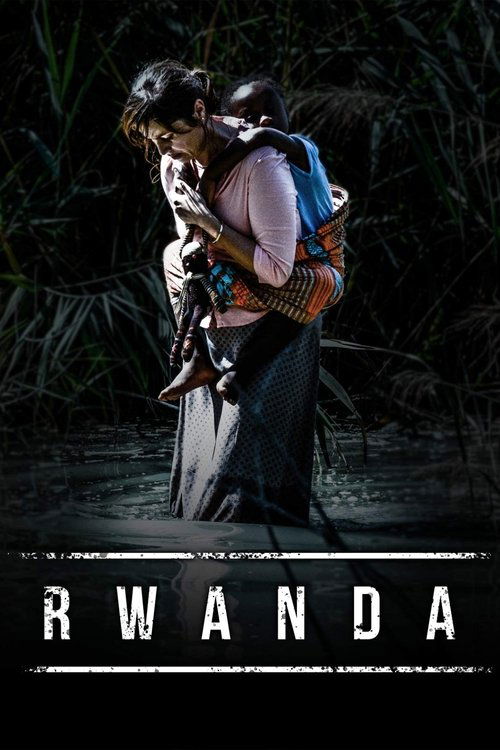
Naples, Trajan's district. Initially it was intended for the inhabitants of the shantytowns on the seafront of Naples, who were homeless after the war. But it soon became a kind of ghetto. Alessandro and Pietro are two teenagers who film with an iPhone to tell their difficult neighborhood, their daily life, the friendship that binds them.
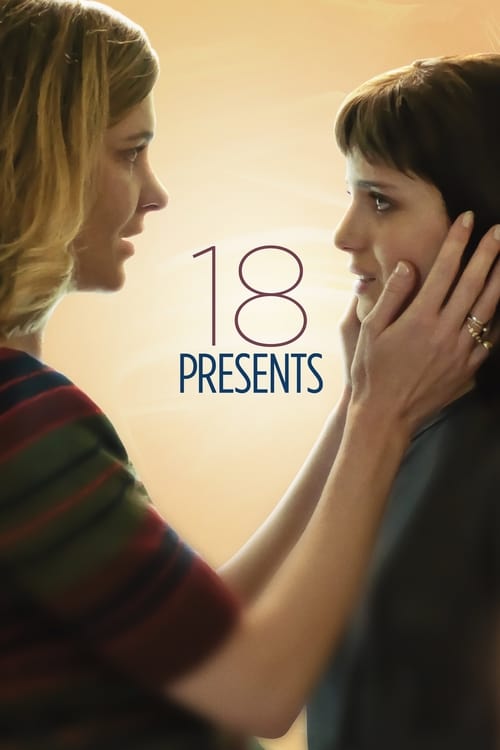
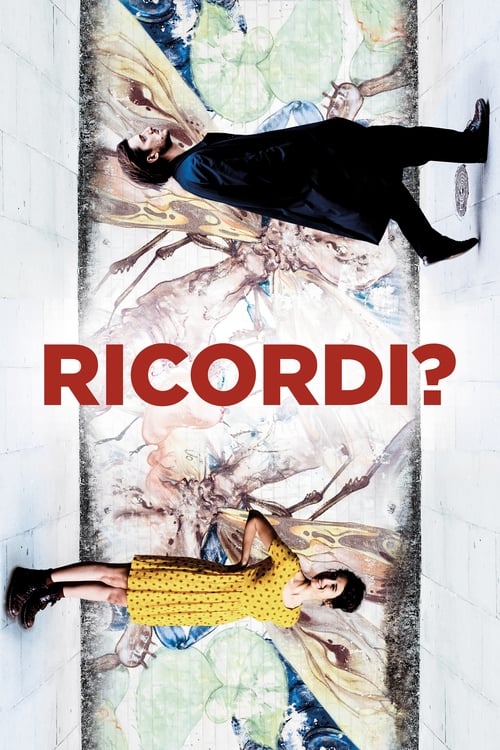
A long love story, seen through the memories of one young couple. The journey through the years of two individuals, united, divided, happy, unhappy, deeply in love, or in love with others, in a single stream of emotions and shades of feeling. Over the course of the film, he learns that love can indeed last, while she learns to live with nostalgia.
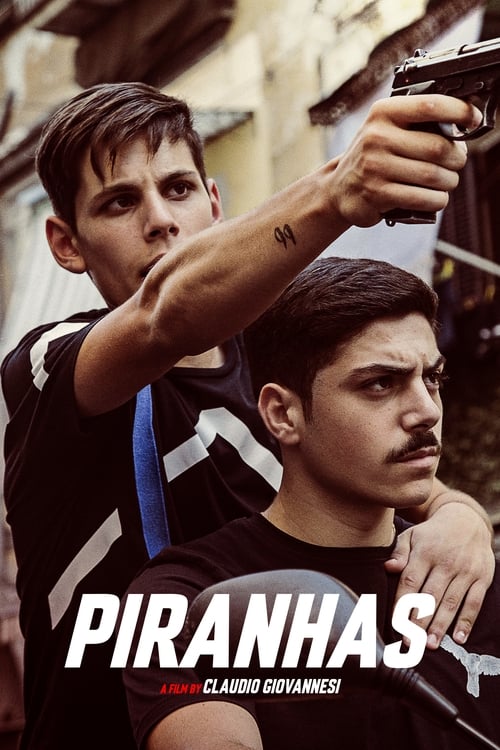
A gang of teenage boys stalk the streets of Naples armed with hand guns and AK-47s to do their mob bosses' bidding – until they decide to be the bosses themselves.
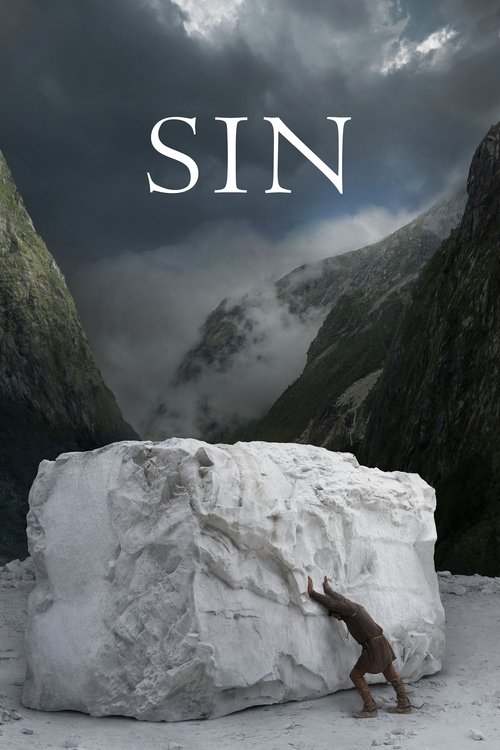
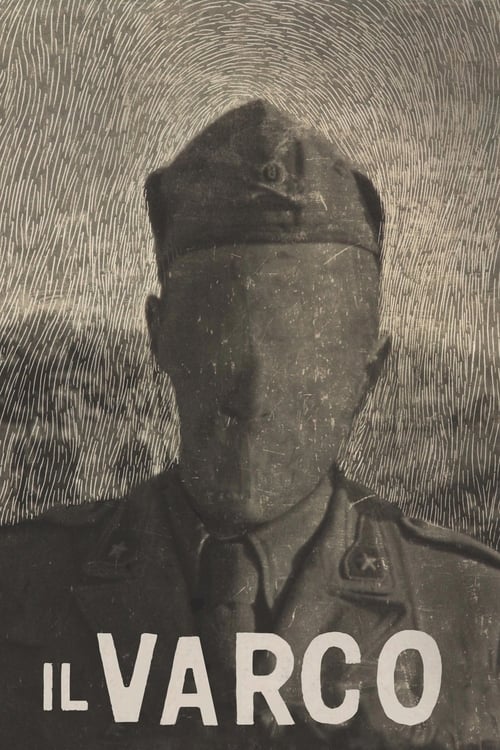
July, 1941. After the beginning of the German invasion, an Italian soldier, a veteran of the colonial wars, is sent to the Soviet front. As he remembers the fairy tales his Russian mother used to tell him, the train he is travelling in crosses Europe on its way to the vast Ukrainian plains, where the enemy and a cruel winter await him… (Based on the experiences of several Italian soldiers.)
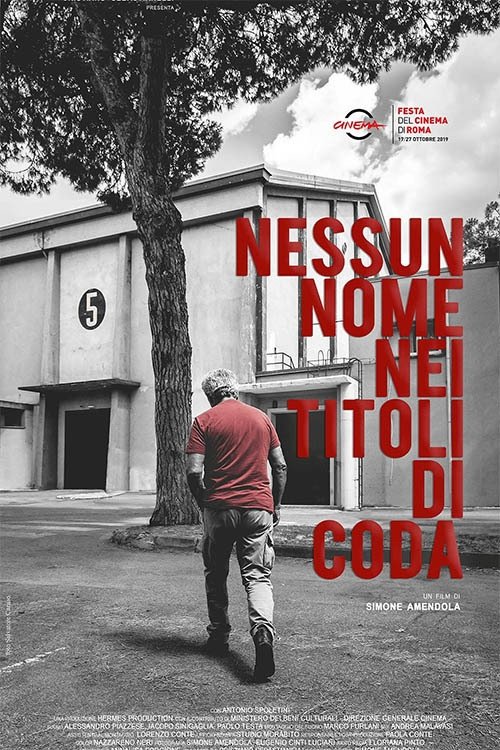
A documentary about Antonio Spoletini, who worked with Federico Fellini. A portrait of an incredible man who lived for and with cinema. Last of five brothers who created the face of Italian cinema internationally. The documentary meets him at 82, still on movie sets and emerges with him and meets him in that moment of life when you want to leave a name in the credits.
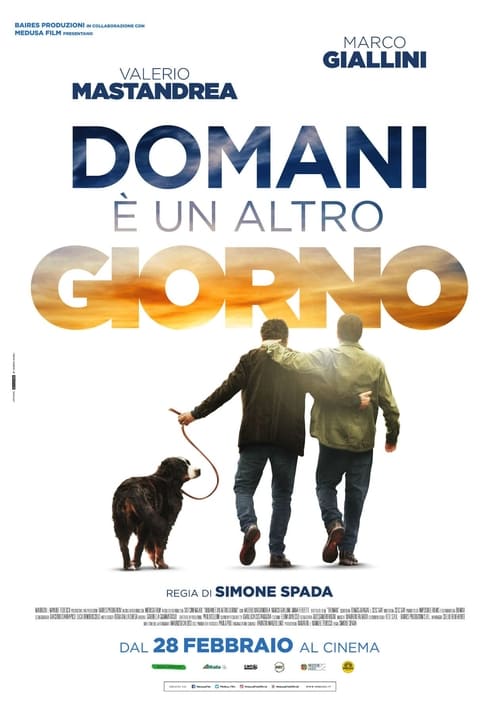
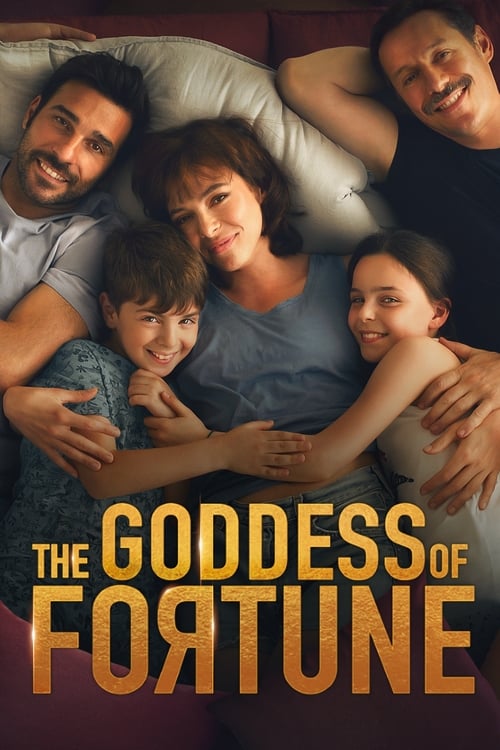
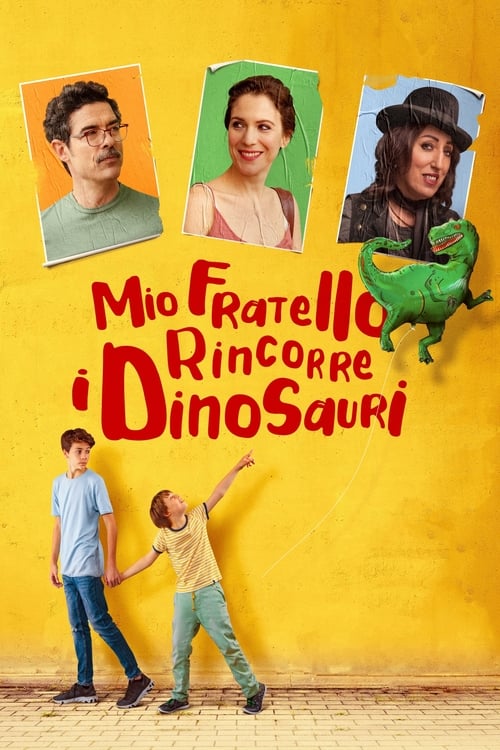
As a child, Jack believed the tender lie his parents told him, that Gio was a special being with superpowers, as in a comic book. Now that he is about to go to high school, however, Jack no longer believes that his brother is a superhero, in fact, he is almost ashamed of him, especially since he met Arianna, the first love of his life.
The tale of an individualist proletarian in a time marked by the rise of mass political movements. In early 20th-century Italy, illiterate sailor Martin Eden seeks fame as a writer while torn between the love of a bourgeois girl and allegiance to his social class.
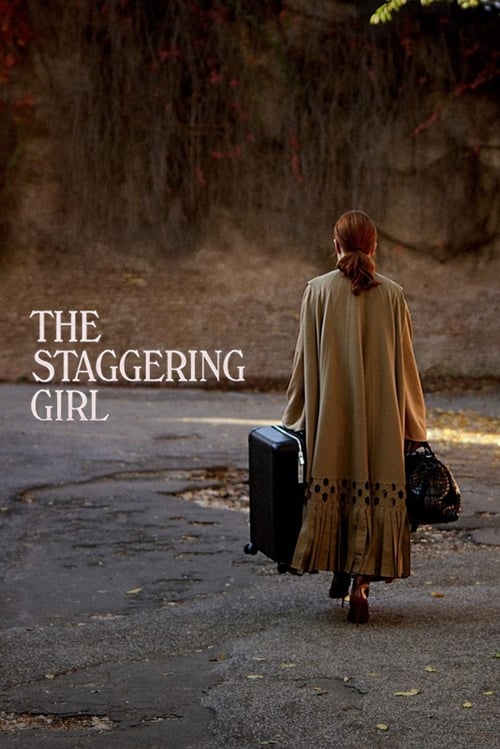
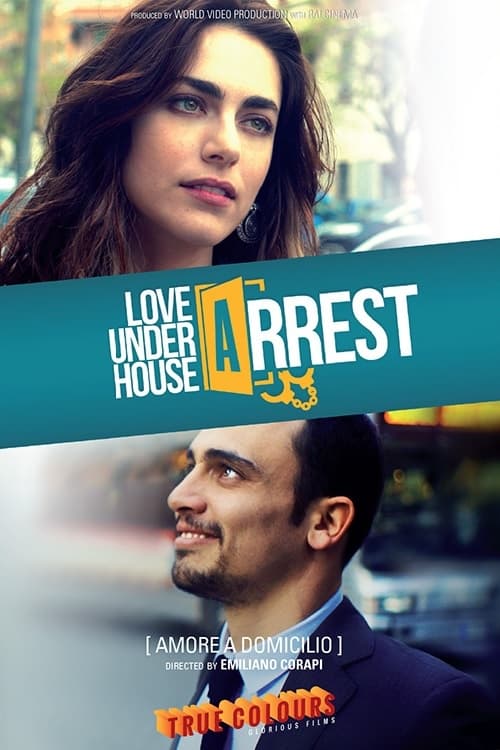
A young insurance salesman takes advantage of the fact that a beautiful young woman he is attracted to is under house arrest, so cannot go anywhere to escape him.
The unbridled life and kaleidoscopic filmography of Piero Vivarelli, who made Italian B-movies of all genres, wrote hit rock songs and penned the screenplay for Sergio Corbucci's Western "Django," adored by Quentin Tarantino, are intertwined in a portrait of an unsung postwar provocateur and revolutionary (the only non-Cuban besides Che Guevara to be given a Cuban Communist Party card signed by Fidel Castro). The creative doc is also a prism into an unexplored territory of Italian — and by extension global — pop culture and its unique vitality.
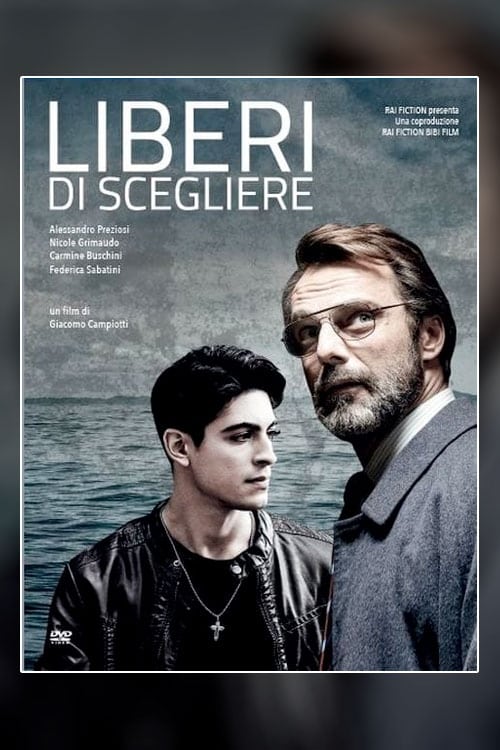
One livid dawn, a cold and damp wind blows as a man walks alone through the darkness. Deputy Police Superintendent Francesco Prencipe is on his way to meet his best friend, Judge Giovanni Mastropaolo whom he hasn't seen for almost two years. The men drive for two hours and exchange but a few words. Later that morning, the Judge is found dead, a single gunshot wound to his head. Francesco is the last person who saw him and his fingerprints are the only ones found in the house. But is he the murderer?
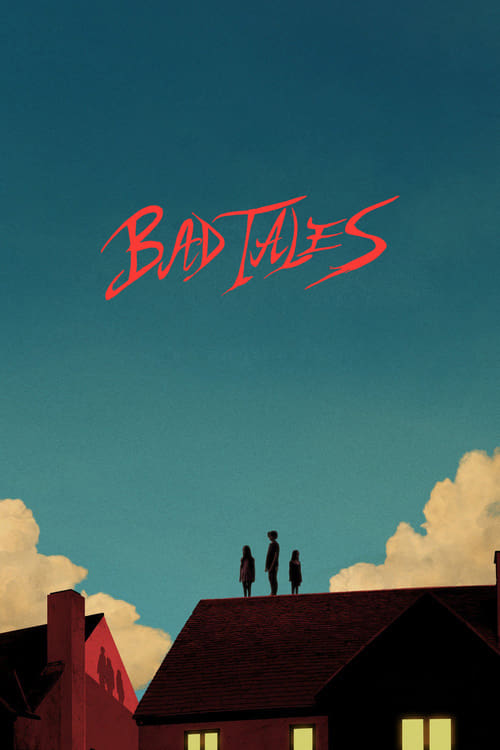
An anthology film that features four segments. Contagium: The beginning of a global pandemic originated by the macabre experiment of a military scientist. Gully: The calvary of a young man who, as a result of his ambition, is the victim of a painful metamorphosis. The Body: The martyrdom suffered by a woman obsessed with beauty and who resorts to a home cosmetic surgery in order to save money. The Cabin: A post-apocalyptic era in which money becomes the only means that can allow the infected to stay alive.
A documentary-fiction that reconstructs the complex procedural path followed by the 1969 massacre through the point of view of Francesca Dendena, daughter of one of the victims and President of the Family Association of the victims of the Piazza Fontana massacre.
«Fulci for Fake» is the first biopic on Lucio Fulci. Lucio Fulci is an enigma. The mystery that surrounds Fulci is linked in part to his personal life. The director only rarely spoke about himself in interviews. But he did let his experience be reflected in his films. The setting of the film sees Nicola, a successful actor, agree to play the part of Lucio Fulci in a biopic on the director. Nicola will ask himself probing questions about the real nature of a man who, in his own lifetime, had already rewritten his biography.
The two sides of Frida Kahlo's spirit: on one side the revolutionary, pioneering artist of contemporary feminism and on the other, the human being, victim of her tortured body and a tormented relationship.
Mixing dramatizations and real-life interviews, this film tells the story of four Jewish children who endured the brutal anti-Semitism of fascist Italy.
It is 1945. Enrico Piaggio’s Pontedera factory is in ruins and the 12,000 people who worked there are condemned to unemployment and misery. Piaggio feels the enormous responsibility resting on his shoulders: the lives of so many families depend on his ability to create new jobs. A project is born in the mind of the entrepreneur: a small, robust, agile and affordable means of transport, capable of relaunching mobility, giving impetus to the recovery of the country’s economic and civil life. To make this dream come true, Piaggio turns to engineer Corradino D’Ascanio, a brilliant designer who uses the experience gained in the field of aeronautics to create the scooter that remains today the symbol of Italian creativity and design: the Vespa!