The tragic story of the many lives of Father Dinis, his dark origins and his pious works, and the different fates of all those who, trapped in a sinister web of love, hate and crime, cross paths with him through years of adventure.
The moving story of the last generation of Holocaust survivors who travel to Poland with thousands of teenagers from around the world to retrace the Death March from Auschwitz to Birkenau.
Alice is a thirty-something woman married to João, has a son and is very successful professionally. Alice is the typical workaholic, whose work is her largest and only pleasure. On the other hand her personal life does not exist: no sexual activity, zero libido, zero personal life. The lack of a sex life in Alice's life is overflowing in Marcela's, her stunning neighbor. A true expert on the subject, Marcela is the owner of a sex shop and knows everything when the theme is the search for pleasure. Like in the typical comedy of errors, the lives of Alice and Marcela will cross and both will undergo huge transformations after this encounter.
Adapted from his autobiography, the film recounts the story of Hiroito, The King of Boca do Lixo (a region in downtown São Paulo of the fifties where various nightclubs, strip joints, prostitution, bars, and drugs can be found). Hiroito was a well born bohemian and at the age of 21 was accused for the murder of his father, who was violently stabbed over 40 times with a razor. Hiroito was not charged, however two months after the death of his father, Hiroito bought two guns and moved to Boca do Lixo and became one of the most dangerous criminals of the region.
In the 1970s, "festivals" were incredibly popular in Brazil, as they were recorded before a live studio audience, and usually featured a number of elimination rounds. They also formed the springboard for the career of many a big-name stars, such as Chico Buarque, Caetano Veloso, Roberto Carlos and Gilberto Gil. Appearing on such a program was no cakewalk, however: audiences could be as wild in their condemnation as in their appreciation of an artist. Extensive archive footage (including performances and behind-the-scenes interviews) from the turbulent final evening of the Festival of Brazilian Popular Music 1967 paints a fascinating picture, not only of the transformation of Brazilian music into real "festival" music, but also of a society starting to buck against the yoke of military rule.
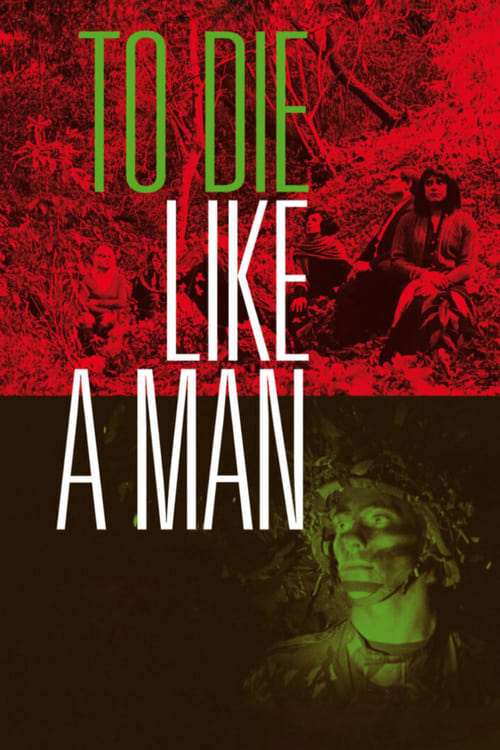
A transgender woman attempts to rehabilitate her younger, drug-addicted boyfriend while also dealing with her ne’er-do-well son, a solider who’s gone AWOL.
A subtle adaptation of a classical story of the most greatest Brazilian writer: Machado de Assis. The history is passed in the Rio de Janeiro in full century XIX. The adolescent Inácio lives in Borges house and works like an apprentice. His routine of boredom and alone loneliness is broken in moments that sees the naked arms of the wife's boss. Upon perceiving that is desired by him, passes treat-him with affection. A silent romance and prohibited is told with romance and poetry.
After thirteen years of engagement, the boring sex life of Rui and Vani is limited to one intercourse every other week. They decide to seek excitement with a threesome and they decide to invite Vani's cousin Silvinha to participate late night, but an accident interrupts their game. Rui and Vani unsuccessfully spend the night searching for for companion of a bisexual woman.
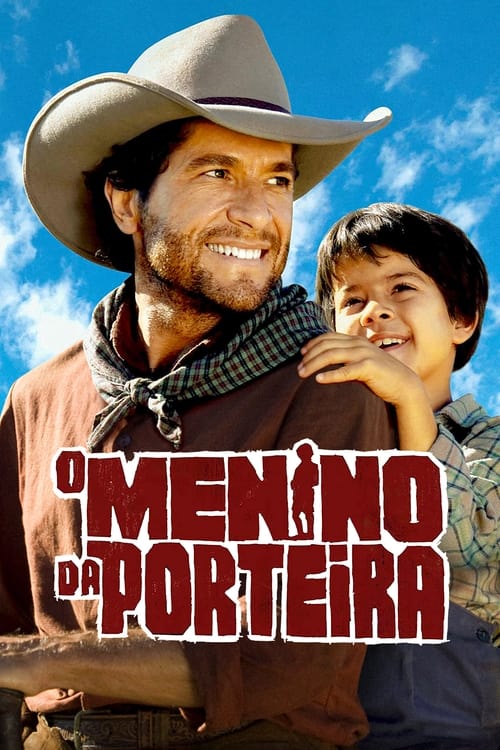
Diogo, a cowboy, meets Rodrigo, a boy who dreams of becoming a cattle herder, when he drives a large herd of cattle to the Ouro Fino farm. They become friends and witness the injustices that occur in the region due to the greed of Major Batista, the owner of the property where they take the cattle.
Continuing the exploration of the thin line between truth and performance, Eduardo Coutinho turns his attention to the drama generated during rehearsals for the Galpão Theater Company’s performance of Chekov’s The Three Sisters. As he shoots scenes from the play, Coutinho attempts to capture the very moment in which reality becomes fiction and vice versa—whether through the actors’ bodies and words or in backstage scenes of a performance that will exist only on film.
In the midst of Mozambique's devastating civil war, Muidinga, an orphaned refugee, wanders the countryside in search of his mother. His only companion is an elderly storyteller, and the only guide to finding his mother is a dead man's diary. This transporting drama underscores the power of imagination in surviving, and ultimately overcoming, the catastrophe of war.
Liam Liu unwittingly gets involved with a high school girl. He suddenly has to go to China after learning from his father that he has inherited his grandmother's home in Shanghai. He's not very appreciative of his Chinese roots, and at first, only wants to sell the house and get back to the U.S. as fast as possible. He gets a taste of the Chinese culture and ends up having some big decisions to make.
In a dog-eat-dog world, Raimundo Nonato has found an alternative way to move ahead: he cooks. No matter what social strata this deceptively innocent young man inhabits, he hones his skills and sharpens his knives—and then he falls in love. Jorge's nimble comic fable provides a smartly constructed gastronomic allegory for ambition and survival.
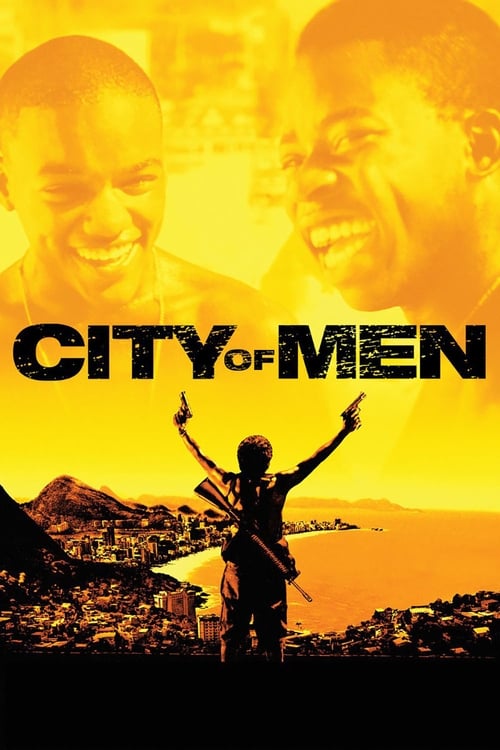
Best buddies Acerola and Laranjinha, about to turn 18, discover things about their missing fathers' pasts which will shatter their solid friendship, in the middle of a war between rival drug gangs from Rio's favelas.
Camila is in her mid-twenties and her life has been thrown into chaos ever since her boyfriend threw her out of their apartment during a bitter argument. Camila's ambition is to become a writer, and she posts regularly on her blog, entitled "Camila Jam." However, Camila wants to take her work into a different direction, and she throws herself head first into life in search of inspiration. As Camila struggles with alcohol, unsettled emotions and relationships with abusive men, it becomes increasingly obvious that her skills as a writer aren't all she needs to sort out if she wants to truly understand her life and her career.
Sonia, a girl from St. Petersburg, decides to seek a better life in Western Europe. She first gets a job at a car dealer in Germany. But she is suddenly kidnapped and sold into sexual slavery. She will be dragged from country to country and resistance will only bring her misery and humiliation.
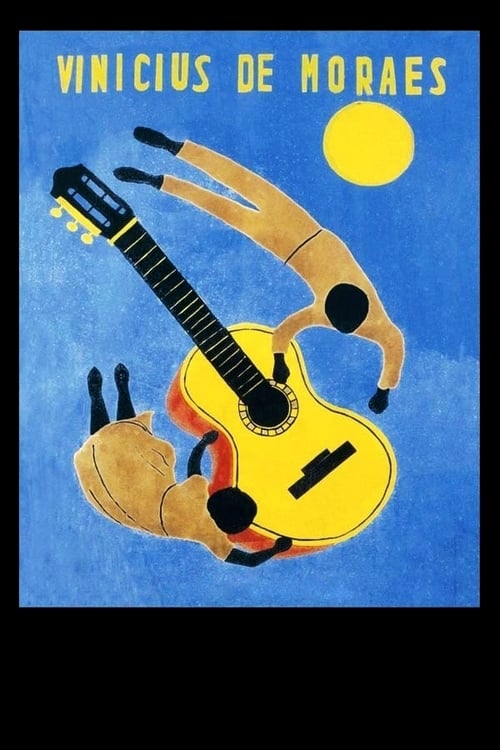
To celebrate the life and the work of a multifaceted creator – playwright, poet, partner of the most important names of Brazilian pop music and, above all, an enlightened character of the Brazilian cultural history - director Miguel Faria Jr. gathered an incomparable cast of partners, singers, friends and rare images from the archives recalling Vinícius’ genial simplicity, with the spontaneity, the humor, and the freedom of a person chatting over a bar table, exactly how the eternal Vinícius would enjoy.
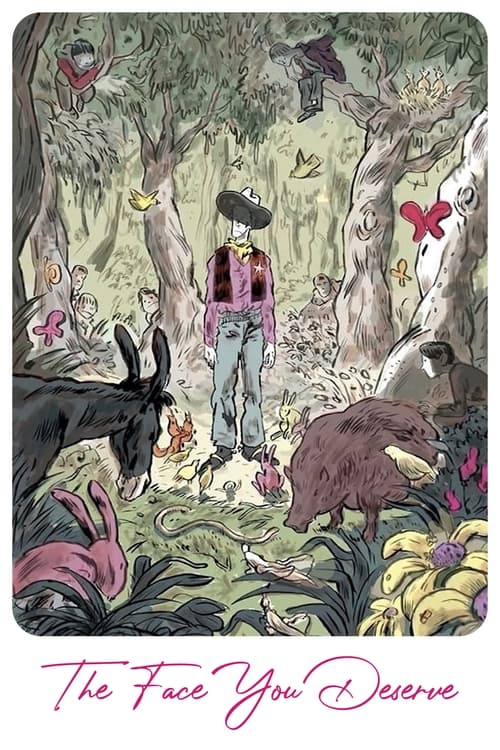
Francisco, behave! I Know it's your birthday, you are thirty now, it's carnival, you've dressed as a cowboy for the school party and you are surrounded by kids you hate. But that's no reason to be so annoying... Francisco, repeat after me: "Up to your 30s you have the face God has given you. After that, you get the face you deserve".
Quinzinho has a promise to keep: to take his son, Neco, to the city to watch a Mazzaropi movie. They live in a small farm in São Paulo. In this odyssey through the towns of São Paulo, he also takes his wife Zulmira, who goes unwillingly, and their donkey Policarpo. On their journey, they find regional peculiarities and undergo magical situations related to popular belief.
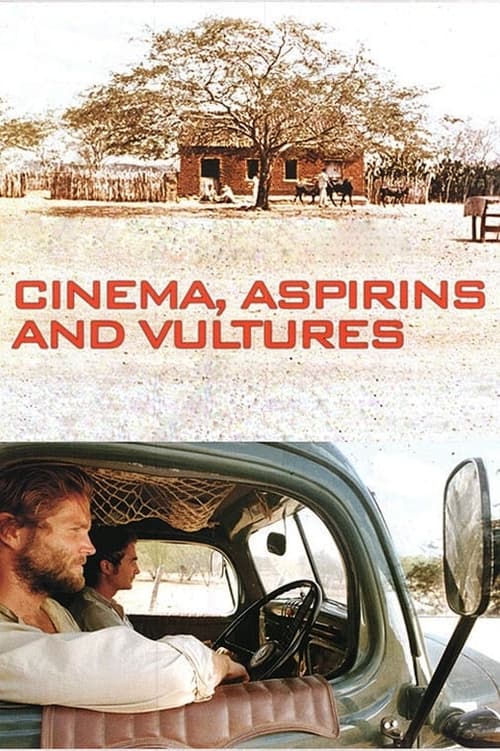
1942, in the middle of Northeastern Brazil, two very different men meet along the road: Johan, an aspirin salesman avoiding the German draft, and Ranulpho, a rural Brazilian seeking escape from the drought.